SwimData is built to make an age-group swimmer visible as a whole: their times, their pathway, and the years of development around them. The objective is simple — help swimmers, families, and coaches see the data clearly, and see the swimmer behind it.
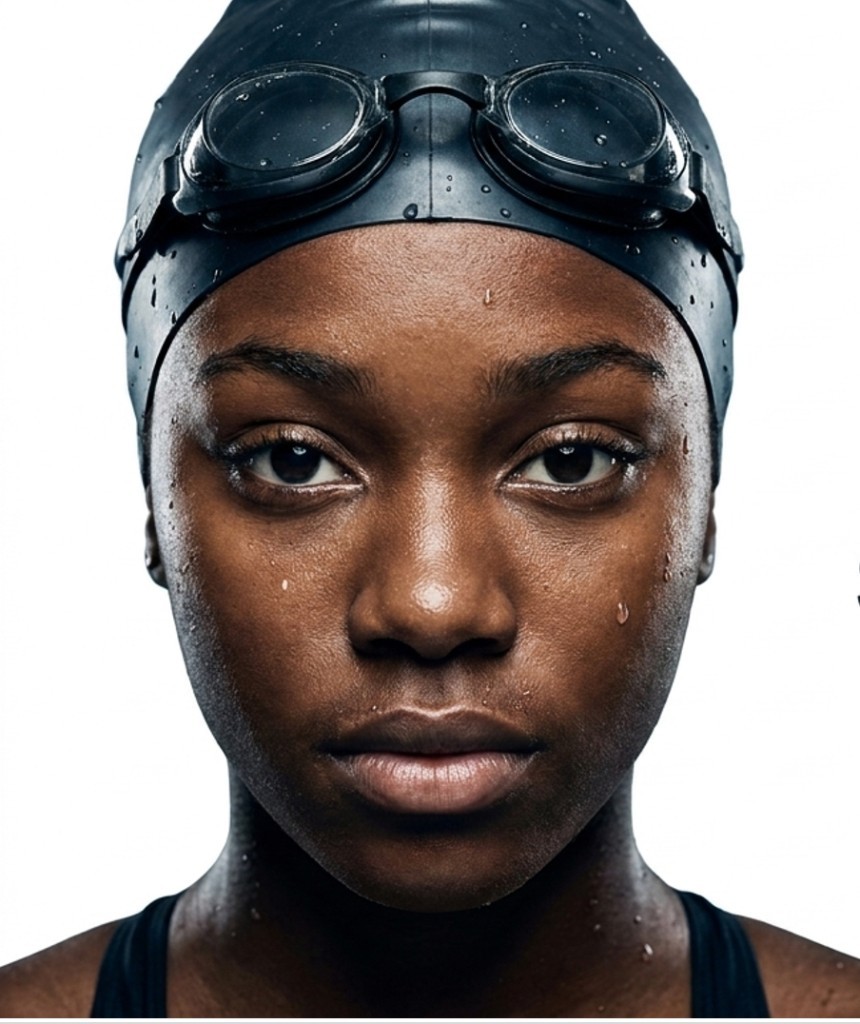
Sample swimmer
Chloe (Age 14)
Latest PB Achievement
100 Free — 1:02.34 (AAA)
"Behind every swim time is a body growing, a mind rehearsing, and a training schedule holding it together. We don't just compile times; we map the entire athlete journey."
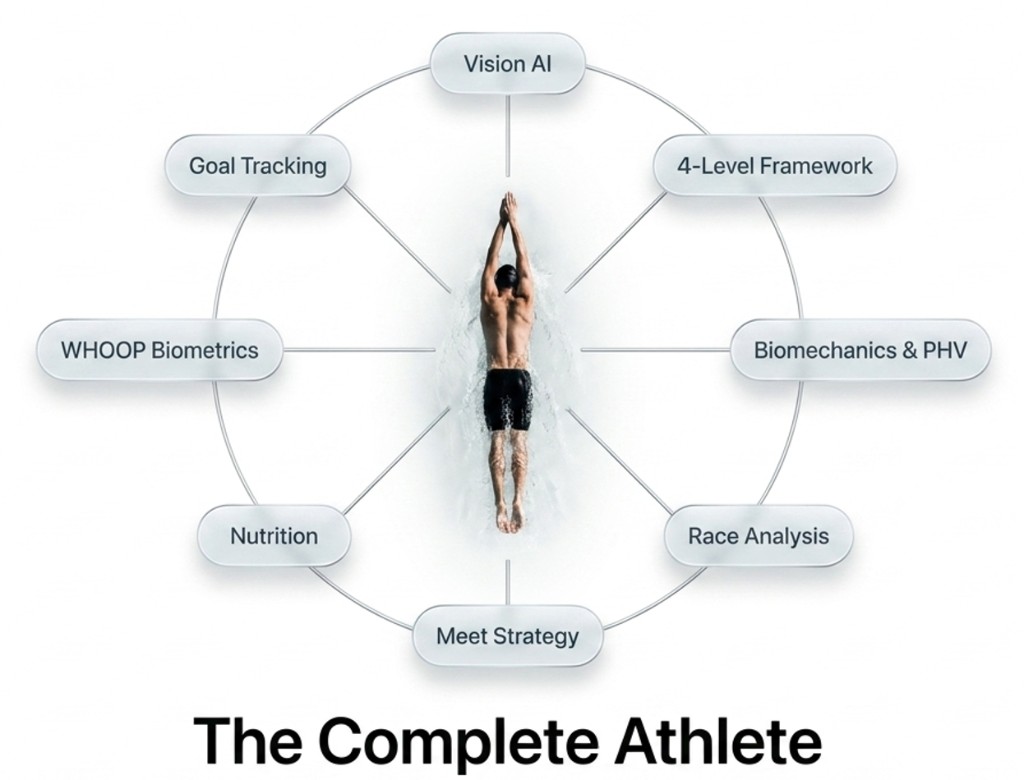
WHOOP is optional, and the sample profile cannot link a wearable.
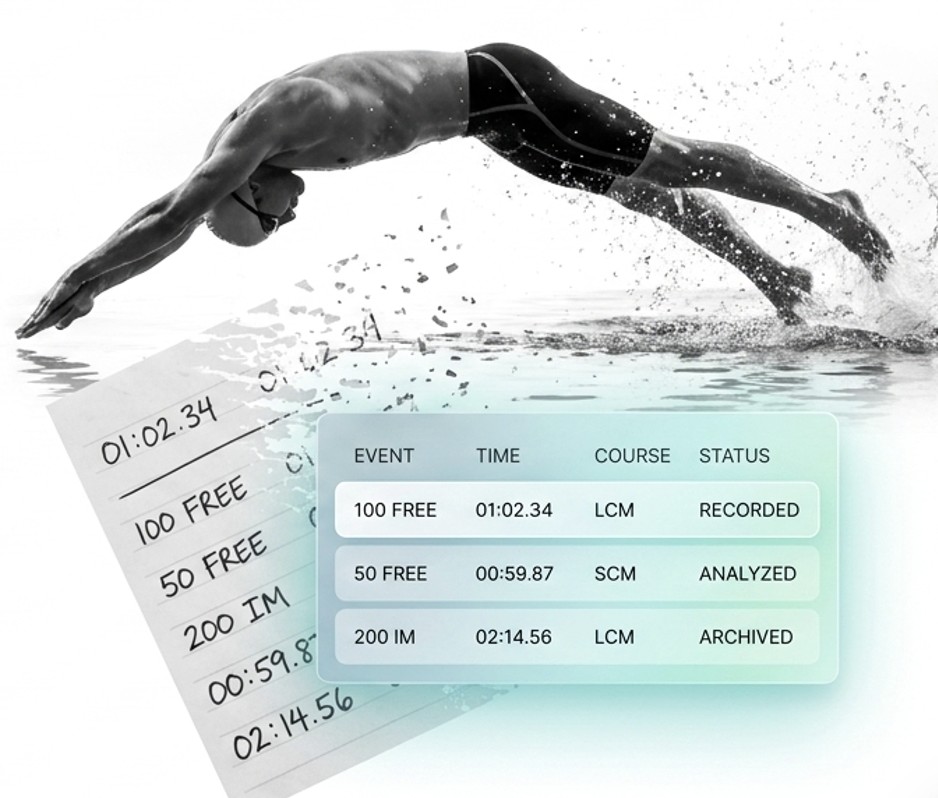
Years of meets live on paper, in photos, and in old files you never quite put together. SwimData reads them in — a picture of a results sheet is enough — so a family can see every swim in one place, without retyping a thing.
Short course, long course, and yards sit side by side. Personal bests stay in the history — they do not replace it.
A personal best is read against published national pathways — not only the club next door. A 12-month window means a birthday does not wipe the best standard overnight, so progress is a trajectory, not a cliff.
Level 1–2
Legal strokes, club racing, local championships.
Level 3–4
Regional pathway through national-age contention.
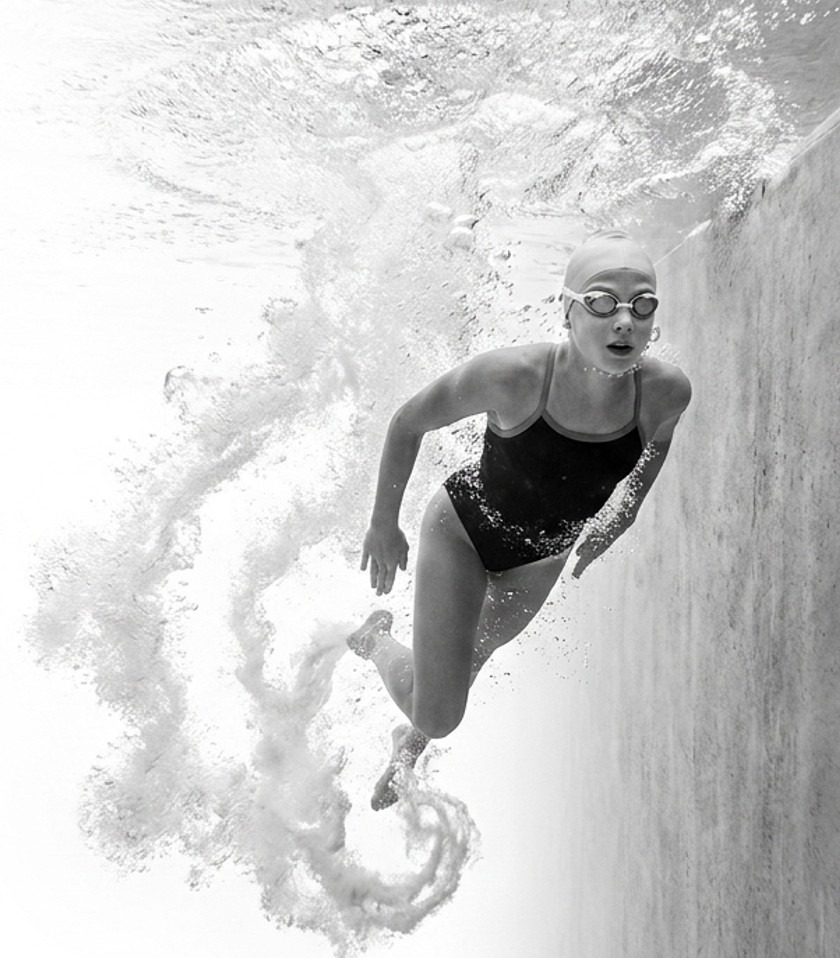
A 200 can look fine on the scoreboard and still have been lost on the last 50. SwimData lines up the laps so a family can see where the race held — and where it faded — without a coaching debrief.
One technical read, when you want it: lap 4 compared with lap 2, so fade is a number, not a feeling.
Where the race was even, and where it slipped
A heat sheet is a list. Meet/Race Strategy turns it into a shared plan for the family: which races get the full effort this weekend, what the checkpoint splits are from this swimmer's times, and the same numbers after the meet.
When the plan is set, I see the race is the walk-through while calm. A new account includes a sample meet plan you can open first.

Trident AI is the SwimData copilot for families. It translates times, splits, and standards into clear answers — and it stays on the family side of the line, so support at home does not turn into extra coaching.
One question, one clear read
Ask what a time means, why a 200 faded, or how a standard fits this age — without the jargon. Trident answers from this swimmer's file, in language a family can use.
What to say — and what to leave
Trident and Parent's Corner turn metrics into constructive family language. Tools like the car-ride-home prompt help celebrate effort without turning the journey home into a technical debrief.
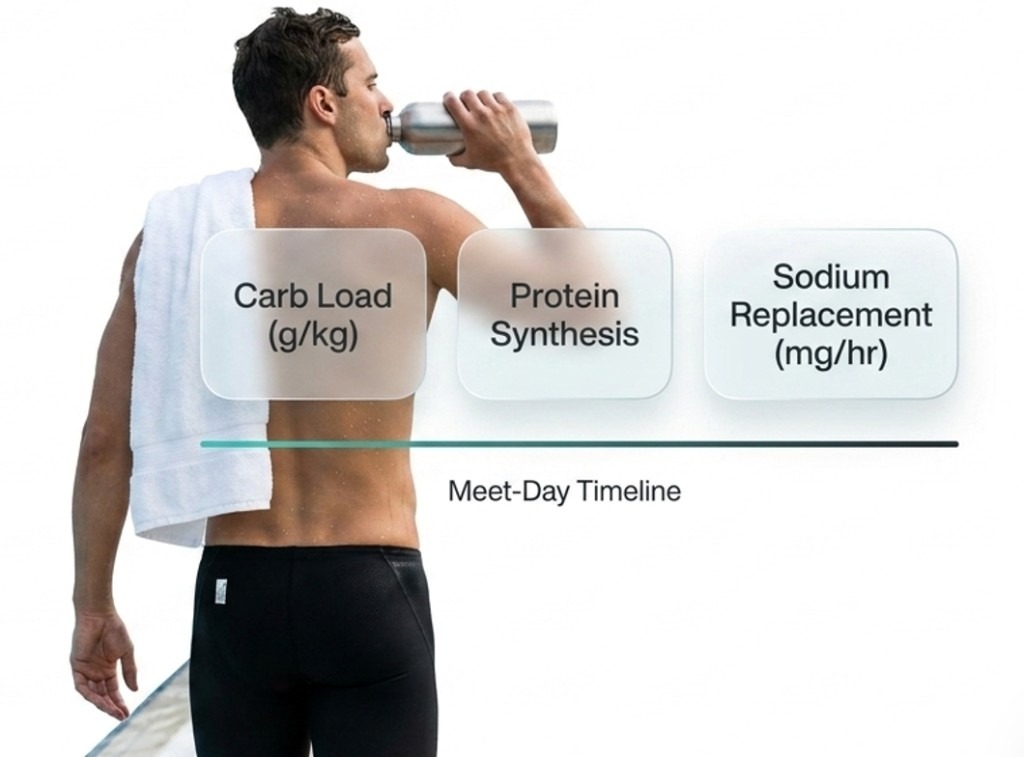
What to eat before heats, between races, and on the way home should fit this swimmer's age and load — not a generic snack list. SwimData turns that into a simple meet-day plan a family can actually follow.
Parent's Corner is for the part of swimming that rarely appears on a results sheet: expectations, communication, patience, and the everyday environment around a young swimmer. The goal is to make the sport clearer so support at home strengthens development rather than adding pressure.
Why times wobble, how puberty shapes progress, and when a plateau is adaptation — not a verdict.
Calories decoded, race-weekend logistics, and calmer language after good and hard swims.
Standards as context, DQ codes in plain language, pool-deck culture, and what actually matters in a tech suit.
Training builds capacity. Race day asks for execution. Mental training is a short loop a family can keep — not wanting it more, and not a second coach.
Create an account to start today. A sample swimmer is included so you can see the product before you add your own.
Not ready to create an account? Leave your email and we'll tell you when paid plans open.
Account holders must be 18 or older. No credit card required. We'll only use this email to tell you about SwimData plans. Privacy